


Key Takeaways
- Allergies can lead to dry eye symptoms by disrupting the tear film.
- Allergy medications may reduce natural tear production.
- Symptoms often follow seasonal patterns or flare near specific triggers.
- An eye doctor can identify whether allergies are connected to your dry eye discomfort.
- Both at-home habits and professional treatments can help manage symptoms.
The Link Between Allergies & Dry Eyes
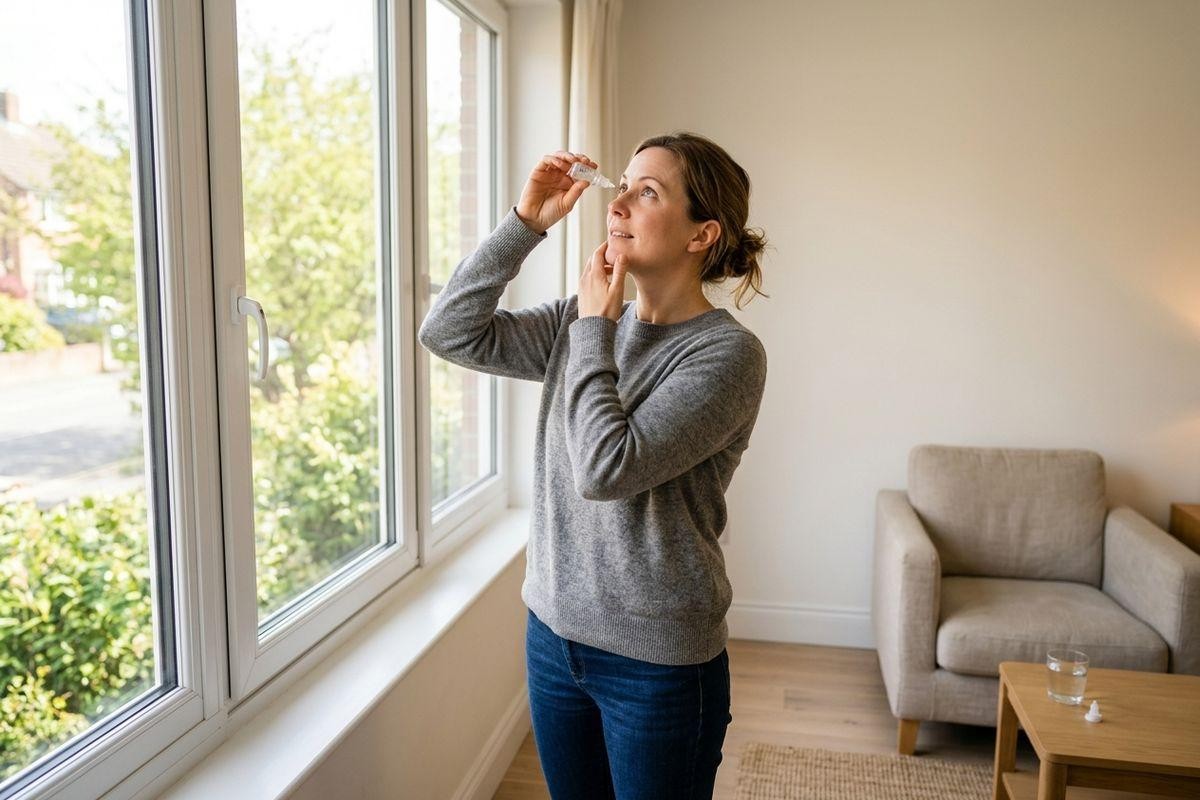
Your eyes feel itchy, red, and irritated every spring. You grab some allergy drops, but your eyes still feel dry and uncomfortable. It’s a frustrating cycle, and it can leave you wondering what’s actually going on. Signature Eye Care sees this pattern often, and there are real answers behind it. If you’re noticing symptoms that keep coming back, a dry eye exam can help pinpoint what’s driving your discomfort.
Yes, allergies can cause and worsen dry eye symptoms by disrupting the tear film that keeps your eyes comfortable. When your body reacts to an allergen, it releases histamine. That response triggers inflammation around the eye, which interferes with your tear production and tear quality. On top of that, common allergy medications like antihistamines can actually reduce how many tears your eyes produce, making dry eye symptoms worse even while treating the allergy itself.
Allergy-Related Dry Eye Symptoms
Signs Your Dry Eyes May Be Allergy-Related
Not all dry eye feels the same, and allergy-related dry eye has some distinct features worth paying attention to. You might notice your eyes water constantly, yet still feel dry and irritated at the same time. That paradox happens because the tears your eyes produce during an allergic reaction don’t have the right composition to actually coat and protect the eye.
Some common signs that allergies may be connected to your dry eye include:
- Intense itching, redness, or a burning sensation
- Watery eyes that still feel dry or uncomfortable
- Swollen eyelids or a gritty feeling, like something is stuck in your eye
How Allergies Differ from Regular Dry Eye
Chronic dry eye can develop for many reasons, from screen time to hormonal changes. Allergy-related dry eye tends to follow a different pattern. The itching is usually more intense, and the discomfort often connects directly to something in your environment. How dry eye disease develops can help you recognize when something more than allergies might be at play.
A few key differences to keep in mind:
- Allergy symptoms often worsen during spring or fall seasons
- Itching tends to be stronger with allergy-related dry eye
- Symptoms are tied to specific triggers like pollen, pets, or dust
How to Tell If Your Dry Eyes Are from Allergies
Patterns Worth Noting
One of the easiest ways to figure out whether allergies are involved is to track when and where your symptoms show up. If your eyes feel worse every spring when pollen counts rise, or every time you visit a friend with a cat, that pattern tells a story. Pay attention to whether symptoms improve when you stay indoors or worsen in certain rooms or outdoor spaces. Recognizing what a dry eye flare-up looks like can make it easier to connect your symptoms to a specific cause.
Common patterns that point to allergies include discomfort that flares during high-pollen months and symptoms that get worse near pets, dust, or freshly cut grass.
What an Eye Doctor Looks For
When you visit an eye doctor, the evaluation goes beyond a quick look at your eyes. The doctor can test how stable your tear film is and examine the health of your meibomian glands, which are responsible for producing the oily layer of your tears. That oily layer keeps tears from evaporating too quickly. You can learn more about how meibomian glands affect tear quality and why their function matters for dry eye.
The doctor will also review your symptom history and ask about known allergy triggers. Combining that information with clinical testing helps paint a clearer picture of what’s driving your discomfort and what type of care would help most.
Ways to Reduce Dry Eye Discomfort from Allergies
At-Home Steps
There are several practical steps you can take at home to reduce how much your eyes are exposed to allergens. During high pollen periods, keeping windows closed and changing your clothes after spending time outside can make a noticeable difference. Wearing sunglasses outdoors also creates a physical barrier between your eyes and airborne allergens.
Inside your home, a humidifier can help add moisture to dry indoor air, especially during months when heating or air conditioning runs constantly. These small changes don’t replace professional care, but they can help reduce how often your symptoms flare. More tips for managing dry eye at home are also worth reviewing if your symptoms persist across seasons.
Professional Dry Eye Treatment Options in Lincoln
When at-home steps aren’t enough, a dry eye treatment plan can offer more targeted relief. Prescription anti-inflammatory or allergy eye drops can address the underlying immune response that’s affecting your tear film. For people whose meibomian glands aren’t functioning well, in-office therapy like OptiLight by Lumenis can help restore the quality of those oil-producing glands.
The right combination of treatments depends on what the doctor finds during your exam and how your symptoms present over time.
When to See an Optometrist About Dry Eyes
Over-the-counter drops can offer temporary comfort, but they don’t address what’s actually causing your dry eye. If your symptoms stick around beyond allergy season or you find that drops aren’t giving you real relief, it’s worth getting a proper evaluation from a Lincoln optometrist. Dry eye disease has many possible factors, and a thorough exam helps separate allergy-related causes from others.
An eye exam helps identify whether allergies, meibomian gland dysfunction, or another factor is at the root of your discomfort. From there, the care you receive is based on your specific situation, not a general approach.
At Signature Eye Care, the team can help you understand what’s behind your symptoms and talk through treatment options that fit your lifestyle. Book an eye exam and take the first step toward feeling more comfortable in your own eyes.