

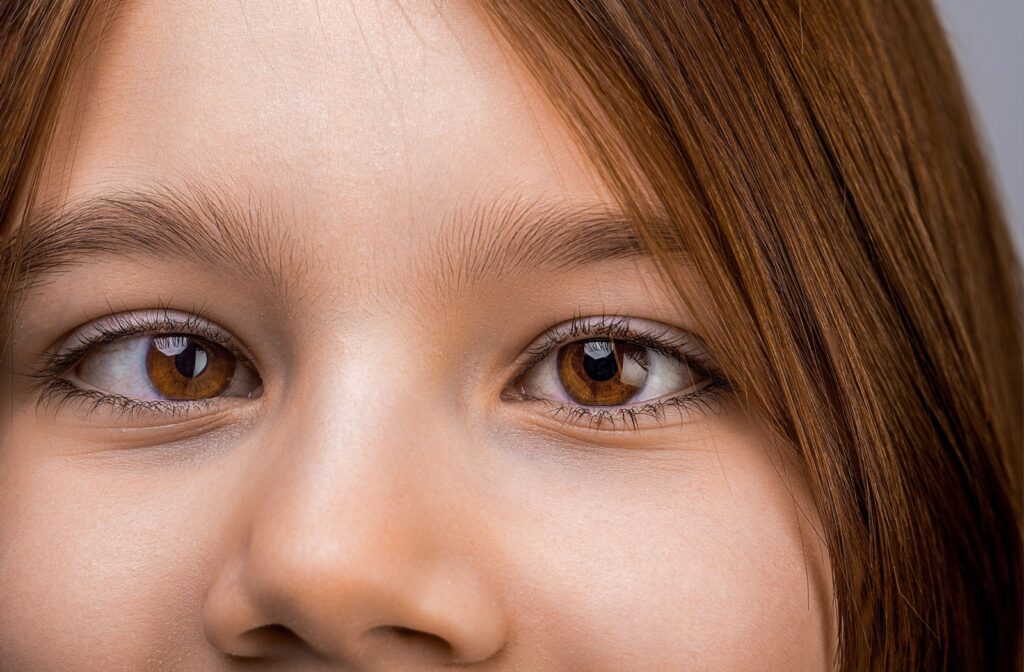
When your vision feels off or blurry, you might think updated corrective lenses will solve the problem. But sometimes, the issue isn’t just with the eyes themselves—it’s how they work together.
Eye alignment issues like amblyopia and strabismus can affect how clearly we see and how well our eyes coordinate. Detecting these conditions early—especially in children—can make a significant difference in long-term visual development.
Routine comprehensive eye exams are the best way to catch potential vision problems before they interfere with learning, reading, or daily activities.
Amblyopia: Lazy Eye
Your eyes are meant to work as a team, which is why we rely on binocular vision. using both eyes together to form a single, clear image.
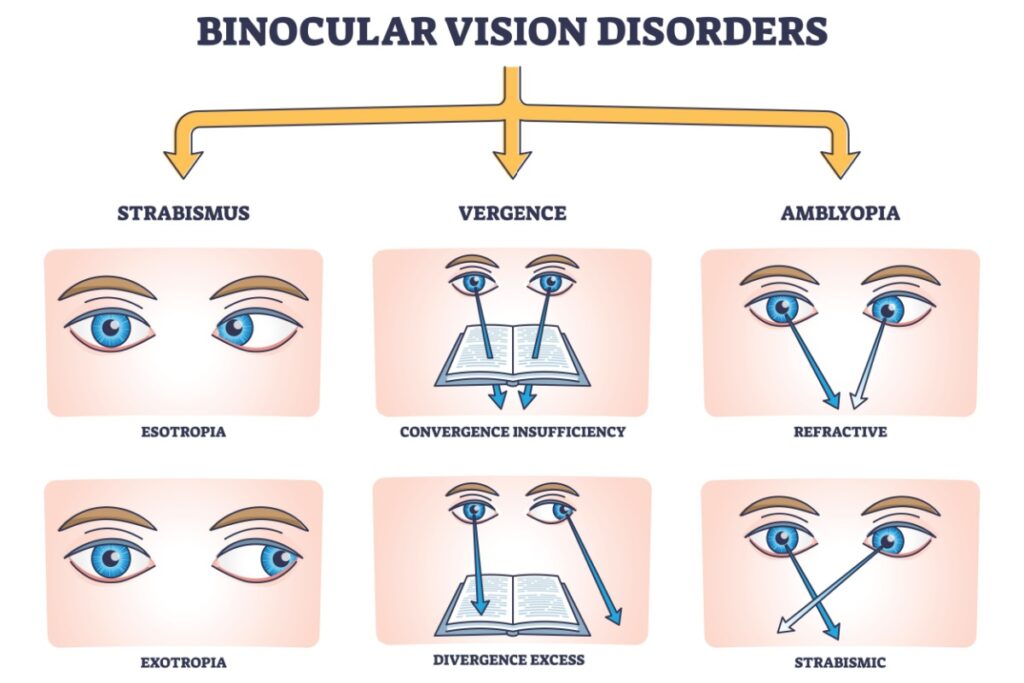
When one eye doesn’t develop proper vision during childhood, the brain starts favoring the stronger eye, essentially “turning off” or suppressing the weaker one. This condition is called amblyopia (lazy eye).
Amblyopia affects about 2% of children and is one of the most common causes of reduced vision in kids. It doesn’t just mean one eye is weaker, it means the brain has learned to ignore signals from that eye, leading to issues with depth perception, eye coordination, and focus.
Common signs of amblyopia include:
- Poor depth perception or clumsiness
- Difficulty with hand-eye coordination or reading
- Frequently closing or covering one eye
- Tilting the head or squinting to focus
Because children often adapt quickly, amblyopia can go unnoticed without a professional eye exam. Detecting and addressing it early helps ensure both eyes develop properly and reduces the risk of long-term vision loss.
At Signature Eye Care, our optometrists can diagnose amblyopia during a children’s eye exam by evaluating how each eye performs individually and together. If the condition is found, treatment may include corrective lenses, patching therapy, or specialized lenses designed to balance how both eyes work together.
Strabismus: Crossed Eyes
Strabismus occurs when the eyes are misaligned, pointing in different directions instead of focusing together on the same object. This can appear as crossed eyes, an eye that ‘wanders,’ or eyes that don’t move together.
Strabismus affects about 4% of children and can lead to problems like double vision, headaches, and difficulty with depth perception. If left untreated, the brain may suppress one eye’s input, which can cause amblyopia over time.
Common signs of strabismus include:
- Eyes that appear crossed or don’t align
- Head tilting or turning
- Complaints of double vision
- Frequent squinting or eye rubbing
- Poor depth perception during sports or reading
The degree of misalignment can vary from subtle to more noticeable, and it may be constant or intermittent. For some people. especially adults, small misalignments may not be visible but can cause eye strain, dizziness, or headaches.
We use advanced diagnostic technology to measure eye alignment and coordination. For adults with binocular vision discomfort or eye misalignment-related headaches, innovative lenses like Neurolens may provide relief by correcting subtle eye posture differences and reducing visual fatigue.
Why Early Detection Is Key
Early detection is the most effective way to protect your child’s visual development. Both amblyopia and strabismus are best treated when caught in childhood, while the eyes and brain are still learning to work together.
Through a comprehensive children’s eye exam, our optometrists can:
- Assess eye alignment and coordination
- Identify differences in visual acuity between eyes
- Detect focusing or tracking issues
- Spot early warning signs before symptoms become noticeable
In some cases, managing these conditions may involve corrective lenses, special prisms, or collaboration with specialists for additional care. What matters most is identifying the issue early, so treatment can begin when it’s most effective.
Protecting Your Family’s Vision
Amblyopia and strabismus are conditions that highlight why regular eye exams are so important—especially for children. These conditions often develop quietly, without obvious symptoms until they begin affecting daily life.
The good news is that early diagnosis gives your eye doctor the best chance to correct alignment, support healthy visual development, and prevent long-term complications.
If you notice signs like squinting, one eye turning inward or outward, or frequent headaches, don’t wait—book an eye exam at Signature Eye Care. Our team can assess alignment, visual comfort, and overall eye health for every member of your family.
Your eyes are meant to work together—let’s make sure they stay that way.